
Microneedling for Acne Scars: How It Works & When to Book Your First Session
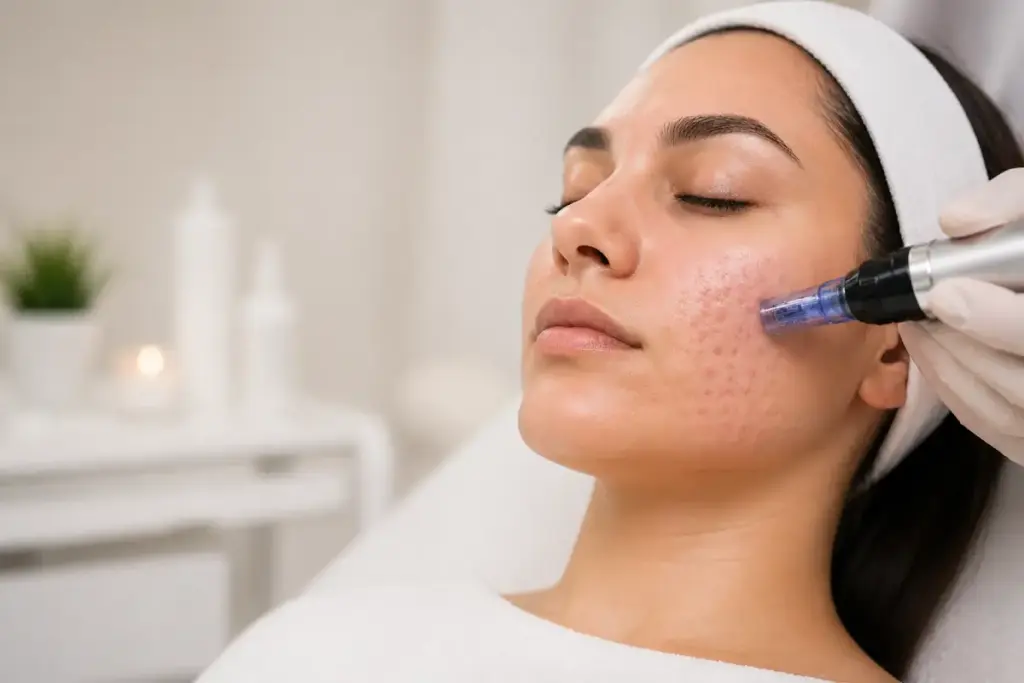
Acne scars can leave behind uneven texture, shallow dips, and marks that skincare alone may not fully improve. Microneedling acne scar treatment helps target these concerns below the surface by stimulating your skin’s natural repair process and supporting new collagen production. For those wanting smoother, healthier-looking skin with a gradual and natural-looking approach, microneedling offers a smart first step toward improving acne scar texture and overall skin confidence. How Microneedling Works Beneath the Skin Microneedling uses a professional device with tiny sterile needles that pass over the skin at a controlled depth. These small channels are not meant to damage the skin aggressively. Instead, they create a measured response that tells the body to repair and renew the treated area. This process is also known as collagen induction therapy because it encourages the skin to produce collagen, a protein that helps keep skin firm, smooth, and supported. Acne scars often form when inflammation affects collagen during the healing stage of a breakout. If the skin does not rebuild evenly, it can leave behind depressed or uneven areas. By stimulating repair in a precise way, microneedling may help improve the look of textural acne scars. The treatment can also support overall skin rejuvenation, especially when concerns like dullness, rough texture, enlarged pores, or uneven tone are present at the same time. The key point is that microneedling works with the skin’s repair process. Because that process takes time, the changes usually appear gradually rather than immediately. What Types of Acne Scars Respond Best? Microneedling is often used for atrophic scars, which are scars that sit below the surface of the skin. These include rolling scars, boxcar scars, and some mild to moderate pitted scars. Rolling scars may make the skin look wavy or uneven, while boxcar scars tend to have a more defined edge. The depth and shape of the scar matter. Shallow texture may respond more quickly, while deeper scars may need a longer treatment plan or a combination approach. Raised scars, active acne, open lesions, or irritated skin may not be appropriate for microneedling at the time of consultation. A professional skin evaluation is important because acne scars are not all the same. Some people have a mix of texture, redness, discoloration, and active breakouts. Treating the wrong concern at the wrong time can lead to irritation or underwhelming results. A provider can look at the skin closely and decide whether microneedling is the right starting point. What Happens During a Microneedling Session? A microneedling appointment usually begins with cleansing the skin. A numbing cream may be applied to help reduce discomfort during the procedure. Once the skin is prepared, the provider moves the device across the treatment area in a controlled pattern. The sensation can vary, but many people describe it as pressure, prickling, or a scratchy feeling. Areas with thinner skin may feel more sensitive than areas with more natural padding. The session length depends on the size of the area being treated and the treatment plan. After the procedure, the skin often looks red or flushed, similar to a mild sunburn. Some patients also notice warmth, tightness, dryness, or light flaking over the next few days. These reactions are expected and usually settle as the skin begins to recover. During this period, the skin needs gentle care. Harsh exfoliants, retinoids, strong active ingredients, direct sun exposure, heavy sweating, and picking at the skin are usually avoided for a short time. Your provider should give you aftercare instructions based on your skin and the intensity of the session. When Microneedling Results Start to Show It is normal to want visible improvement quickly, but microneedling results depend on collagen remodeling, which does not happen overnight. Some people notice that their skin looks fresher or feels smoother within a couple of weeks. Acne scar improvement, however, usually takes a series of treatments. Many treatment plans include multiple sessions spaced several weeks apart. This spacing gives the skin enough time to heal and begin building new collagen before the next appointment. The number of sessions depends on scar depth, skin condition, age, lifestyle, and how the skin responds. Results are often subtle at first. A scar may look a little softer, and the surrounding texture may appear more even, or makeup may sit smoothly on the skin. These changes can continue to develop as the treatment series progresses. Good expectations matter. Microneedling can improve the appearance of acne scars, but it does not promise perfectly smooth skin. A thoughtful plan focuses on progress that looks natural and realistic. Derma Roller Benefits vs. Professional Microneedling Many people first hear about derma roller benefits through at-home skincare tools. A derma roller is a handheld device with small needles that roll across the skin. Some people use it to help skincare products feel more effective or to support mild texture improvement. Professional microneedling is different. In a clinical setting, the provider can use sterile equipment, adjust needle depth, and treat the skin more precisely. This matters for acne scars because scar tissue often requires more careful targeting than general skincare concerns. At-home tools also carry more risk when used incorrectly. Pressing too hard, rolling over active acne, failing to sanitize the device properly, or using strong products afterward may irritate the skin. For acne scars, especially indented scars, professional treatment is usually the safer and more appropriate route. This does not mean every person needs an aggressive treatment. It means the treatment should match the concern. Mild dullness and deeper acne scars require different strategies. When to Book Your First Session The best time to book your first microneedling session is when your skin is calm and your acne is under control. Microneedling should not be performed over active inflamed breakouts, open wounds, or irritated skin. Treating acne scars too early, while breakouts are still frequent or inflamed, can make the skin more reactive. You may be ready for a consultation if your main concern is lingering texture rather than active acne.